
Birding and Wildlife in North India and Gujarat – 2025
North India & Gujarat Birding Tour
January 6–26, 2025
Led by: Asian Adventures guide Deepak Kumar
Tour Introduction
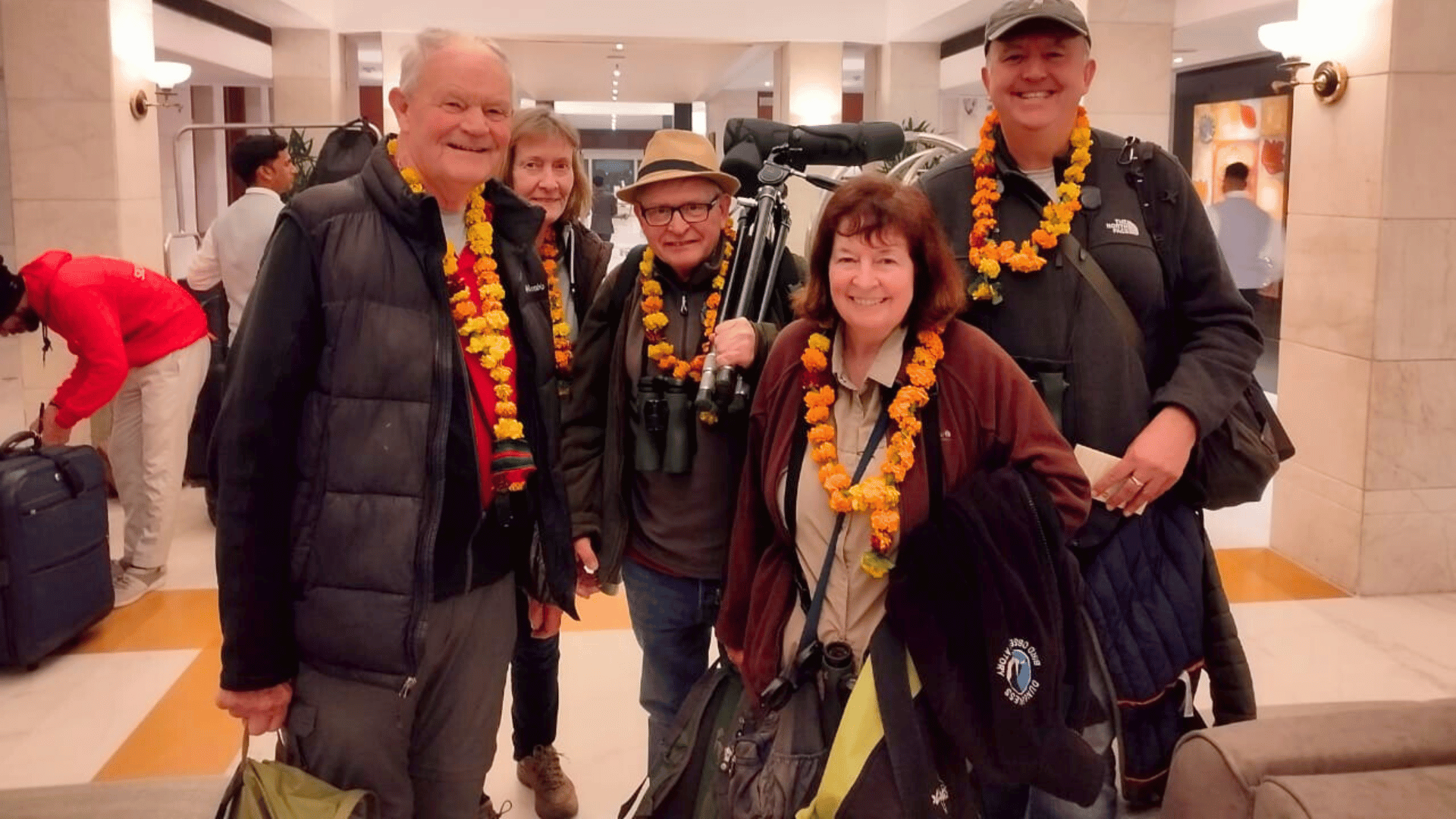
The North India and Gujarat Birding Tour, expertly organized by Asian Adventures, was crafted for Mr. Rob Rackliffe and his group of six dedicated birdwatchers, all with a keen interest in India’s avifaunal diversity and natural ecosystems. Held from January 6 to January 27, 2025, the tour was personally led by Mr. Deepak Kumar, a seasoned birding expert and senior guide with Asian Adventures. Over the course of 22 days, the group traversed a broad ecological spectrum—from the wetlands of Sultanpur and Bharatpur to the Himalayan forests of Pangot and Sattal, the riverine woodlands of Corbett National Park, and on to the dry plains, saline deserts, and coastal stretches of Gujarat, including Little Rann of Kutch, Bhuj, Jamnagar, and the Gir National Park.
This meticulously planned journey offered participants exceptional opportunities to observe a vast range of bird species, from regional endemics to wintering migrants, along with thrilling encounters with iconic Indian mammals like the Tiger and Asiatic Lion. With seamless logistics, comfortable accommodations, authentic local experiences, and the expert interpretation of natural history throughout, the tour proved to be an enriching and memorable expedition.
For more information on customized birding tours or natural history travel experiences across India and beyond, please feel free to reach out at info@asianadventures.in or visit www.asianadventures.net.
Day 1: January 6, 2025 | Arrival in Delhi and Birding at Sultanpur National Park
The group touched down at Delhi’s Indira Gandhi International Airport at 8:45 AM. The early arrival allowed us to make the most of the day, and our guests, all seasoned birders, were keen to head straight into the field. After a warm welcome, we loaded up our vehicles and drove about an hour west to Sultanpur National Park, one of Delhi NCR’s premier birding sites, known for its winter congregation of migratory waterfowl and wetland specialties.
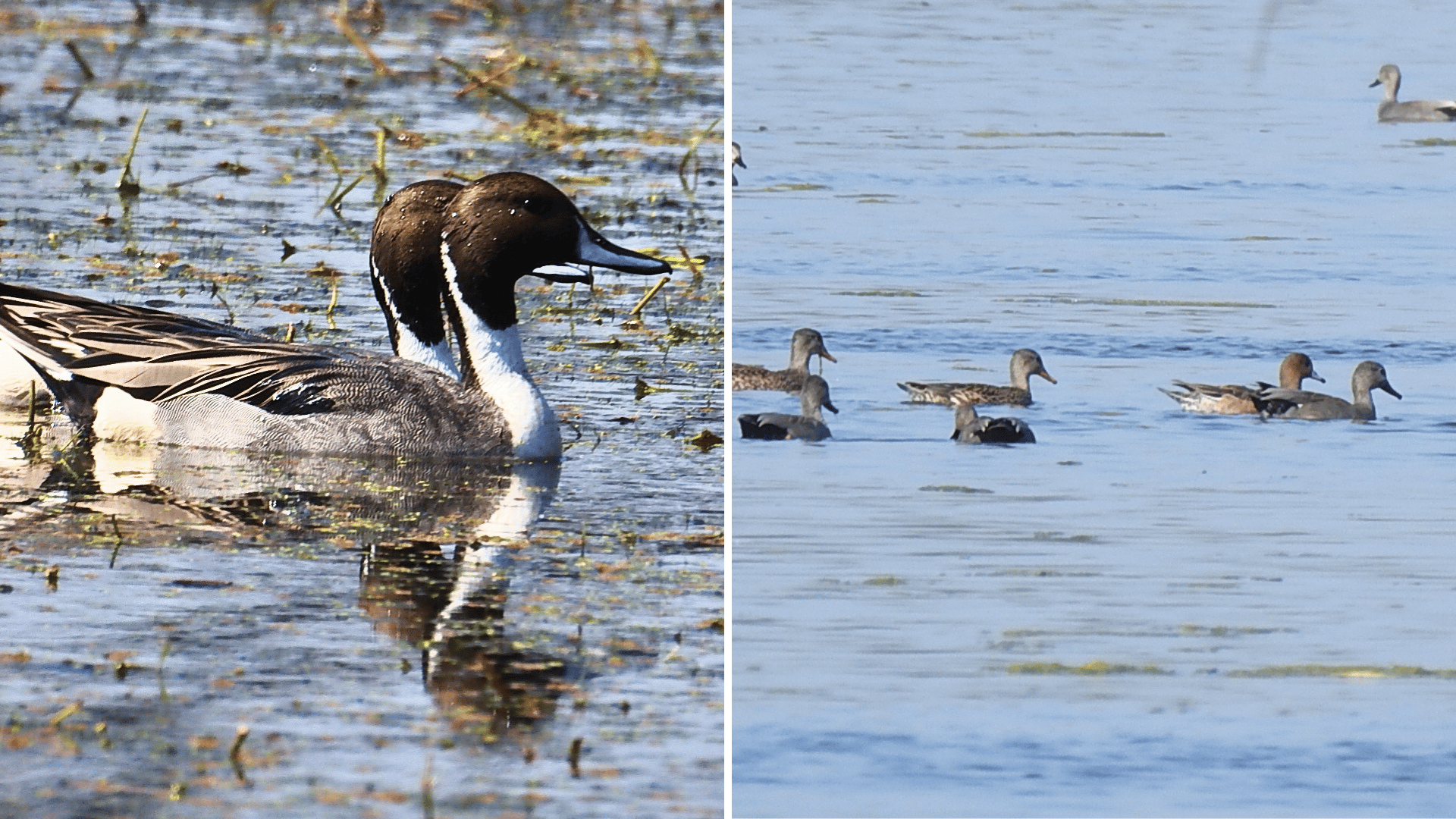
The moment we entered the park, we were greeted by flocks of Northern Pintail, Gadwall, Eurasian Wigeon, and Northern Shoveler, gracefully paddling through the shallow waters. Black-necked Stork, a towering and majestic species, was a highlight for the group. The rich cacophony of calls from nesting colonies of herons and cormorants set the stage for a vibrant start.
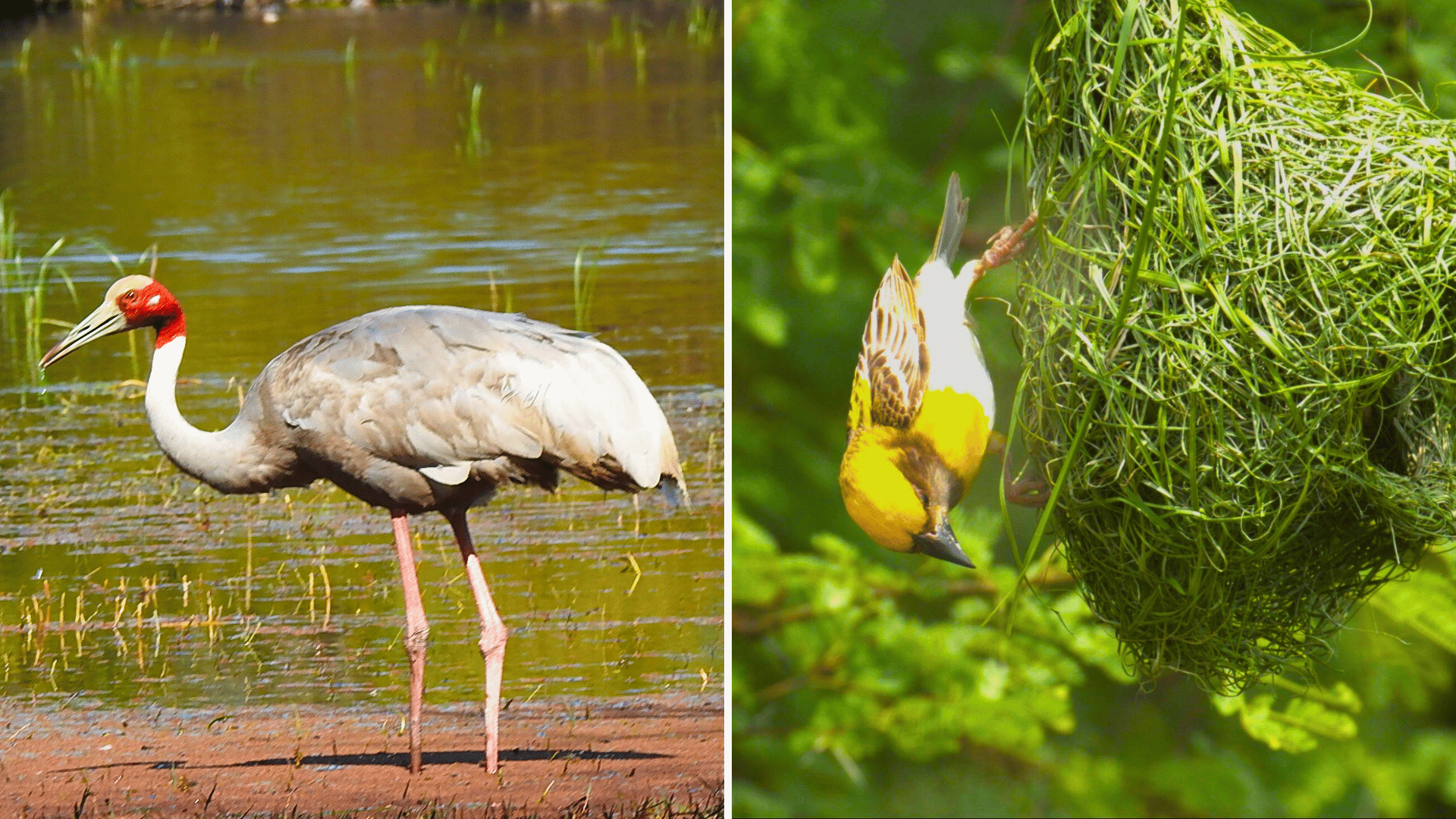
A rustic lunch was enjoyed at a nearby dhaba, giving guests their first taste of regional North Indian cuisine. In the afternoon, we explored the Chandu wetlands, a less-touristy wetland area favored by locals and birders in the know. Here, we recorded special sightings of Sind Sparrow, Sarus Crane, Baya Weaver, Red Avadavat, and an impressive diversity of waders and wetland species.
As the sun began to dip, we began our return to Delhi. Despite heavy evening traffic adding a delay of about 1.5 hours, spirits remained high with stories of the day’s sightings exchanged throughout the ride.
Day 2: January 7, 2025, | Journey to Pangot via Garhmukteshwar
Following an early breakfast in Delhi, we departed for the Himalayan foothills. Our destination was Pangot, a tranquil birding haven near Nainital, nestled amidst dense oak, pine, and rhododendron forests. The 7-hour journey was punctuated with several cultural and scenic highlights.
A particularly memorable stop was at Garhmukteshwar, a revered pilgrimage site on the banks of the Ganges River. We discussed the cultural significance of the river while watching locals perform rituals on its ghats. A traditional masala chai stop at Gajraula rejuvenated the group, and we resumed our drive uphill.
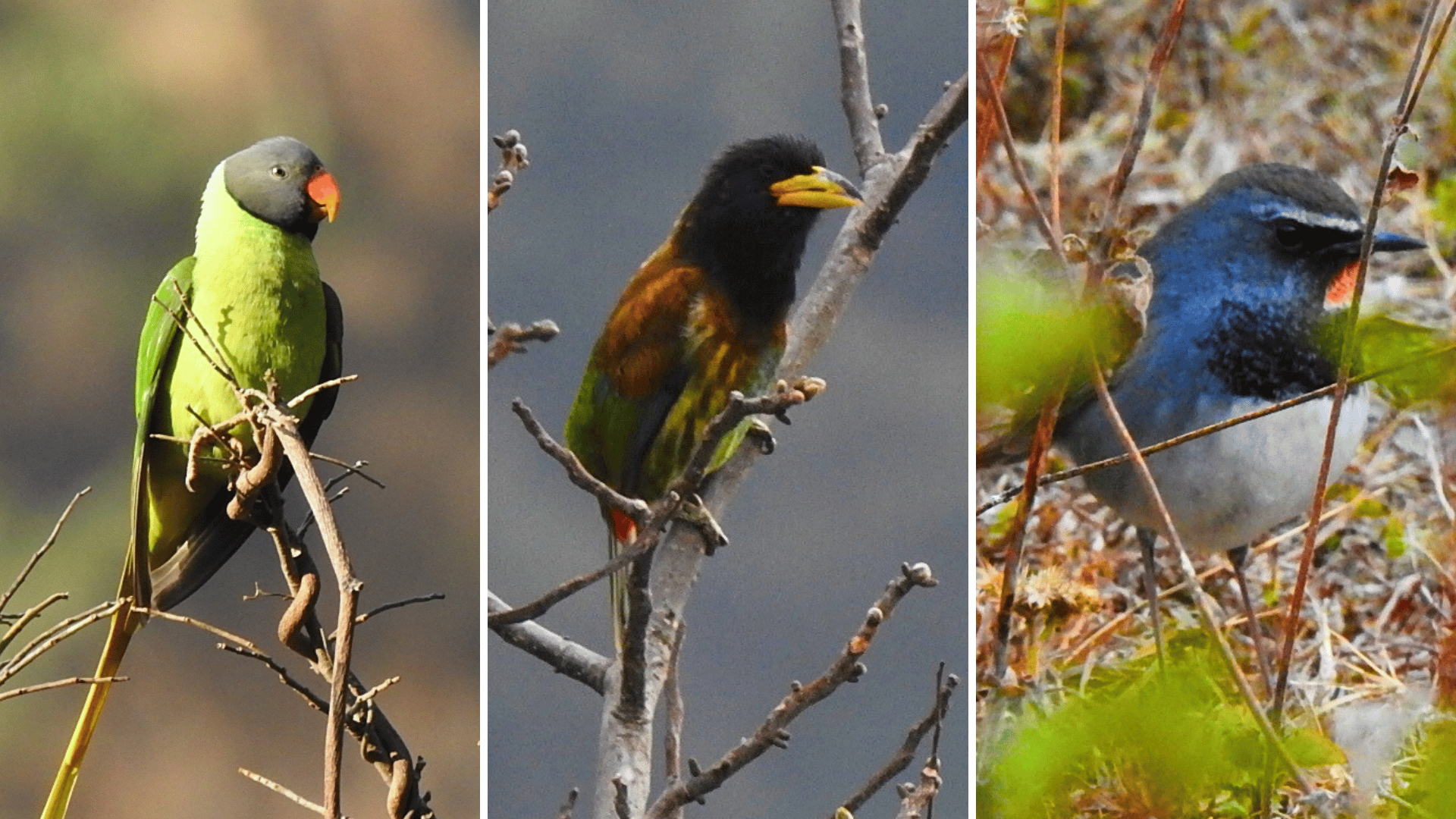
We arrived at the cozy lodge in Pangot around 2 PM, surrounded by pristine forest and chirping birds. After lunch, we set out to explore Bagad Gaon, a charming village trail ideal for our first Himalayan birding experience. In just a few hours, we encountered Himalayan Rubythroat, Slaty-headed Parakeet, Black Francolin, Black-chinned Babbler, Great Barbet, Yellow-breasted Greenfinch, and Common Rosefinch, among others.
Day 3: January 8, 2025 | Pangot – Full-Day Birding for Himalayan Specialties
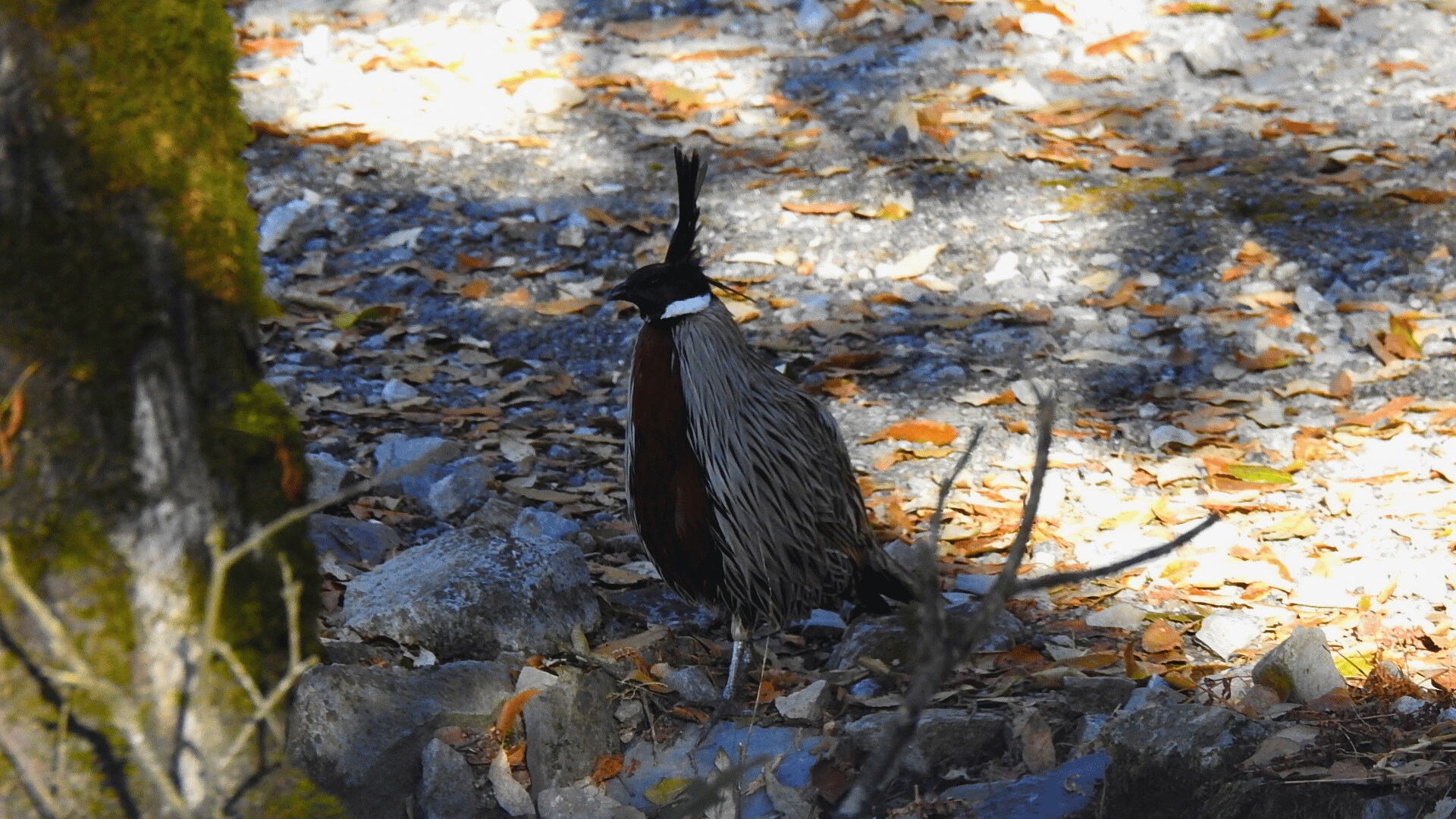
We started pre-dawn to maximize the chances of seeing elusive Himalayan pheasants. A 15 km drive along narrow forest roads brought us our first reward: a male Koklass Pheasant, spotted near a forest edge, providing excellent views.
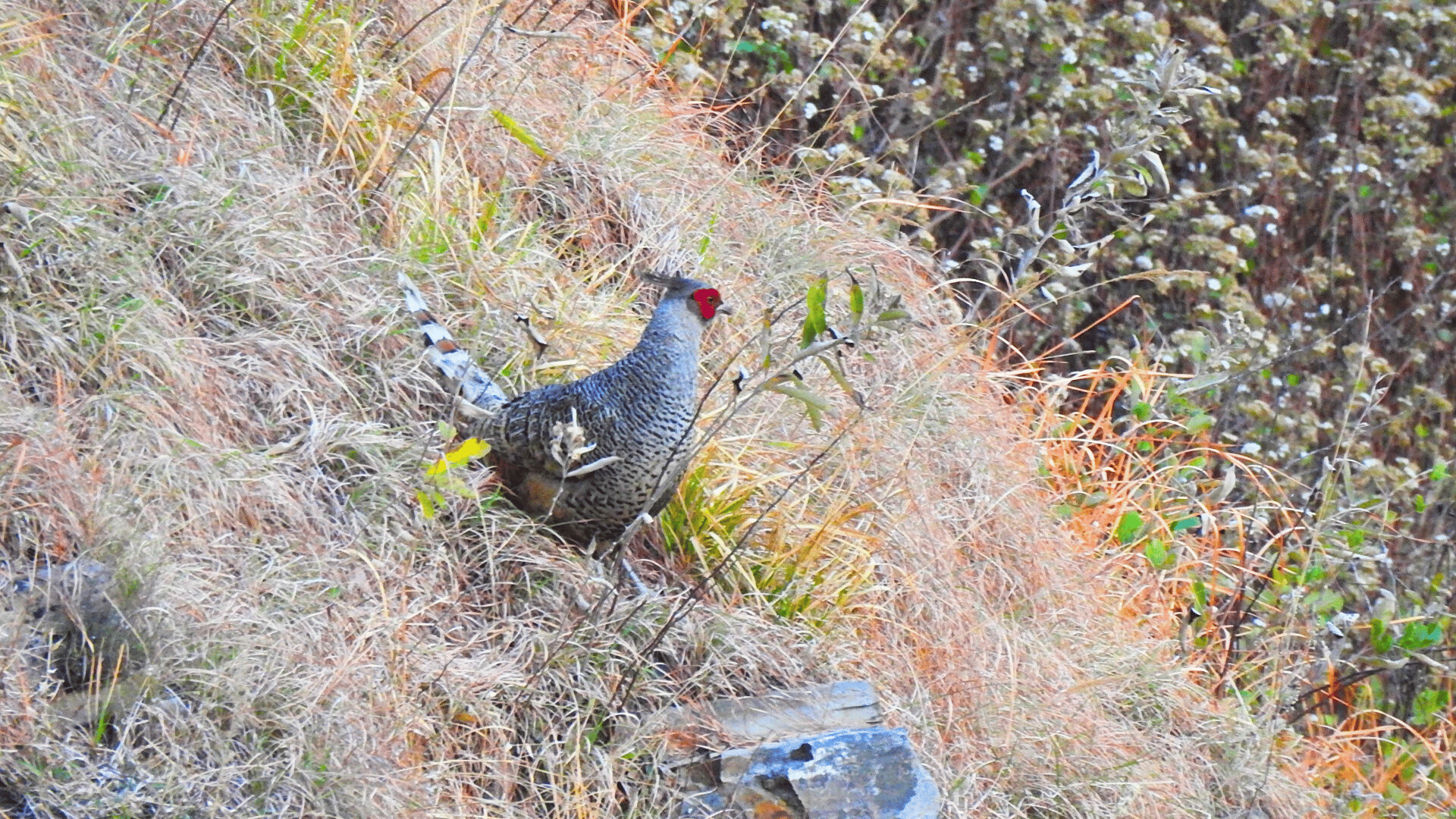
Later in the morning, we reached Vinayak Cheer Point, one of the best-known sites in India for the secretive Cheer Pheasant. After a patient stakeout, success came when a pair emerged from the scrub, thrilling the entire group—this was a lifer for many.
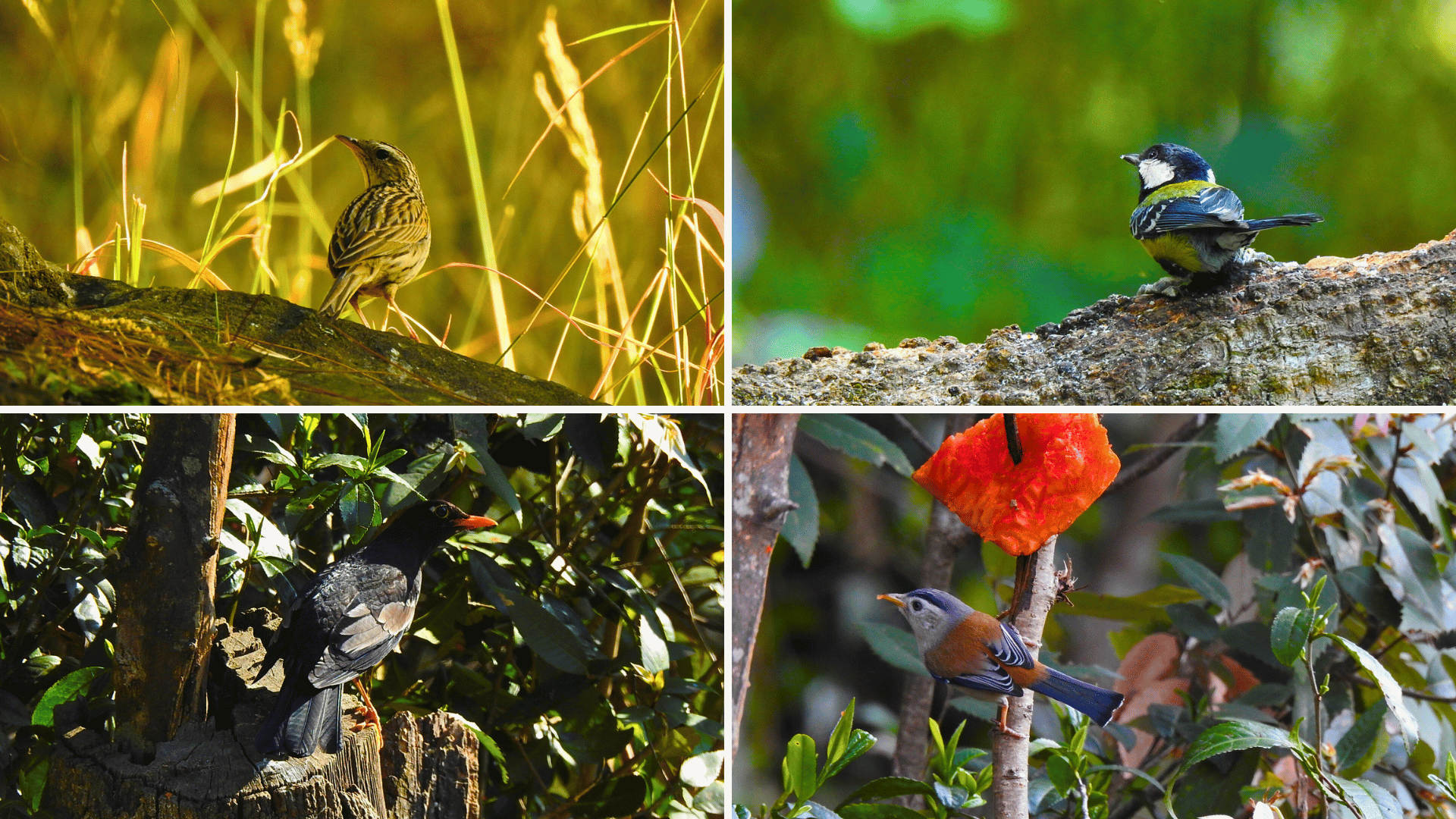
The rest of the morning offered a delightful mix of high-altitude birding. We picked up Green-backed Tit, White-tailed Nuthatch, Grey-winged Blackbird, Himalayan Buzzard, and Mountain Hawk-Eagle. After lunch and a brief rest, we birded around Ghugu Kham, where we encountered Red-fronted Serin, Upland Pipit, Rufous-breasted Accentor, Blue-winged Minla, and the vocal Striated Laughingthrush.
Day 4: January 9, 2025 | Pangot – Nainital – Sattal
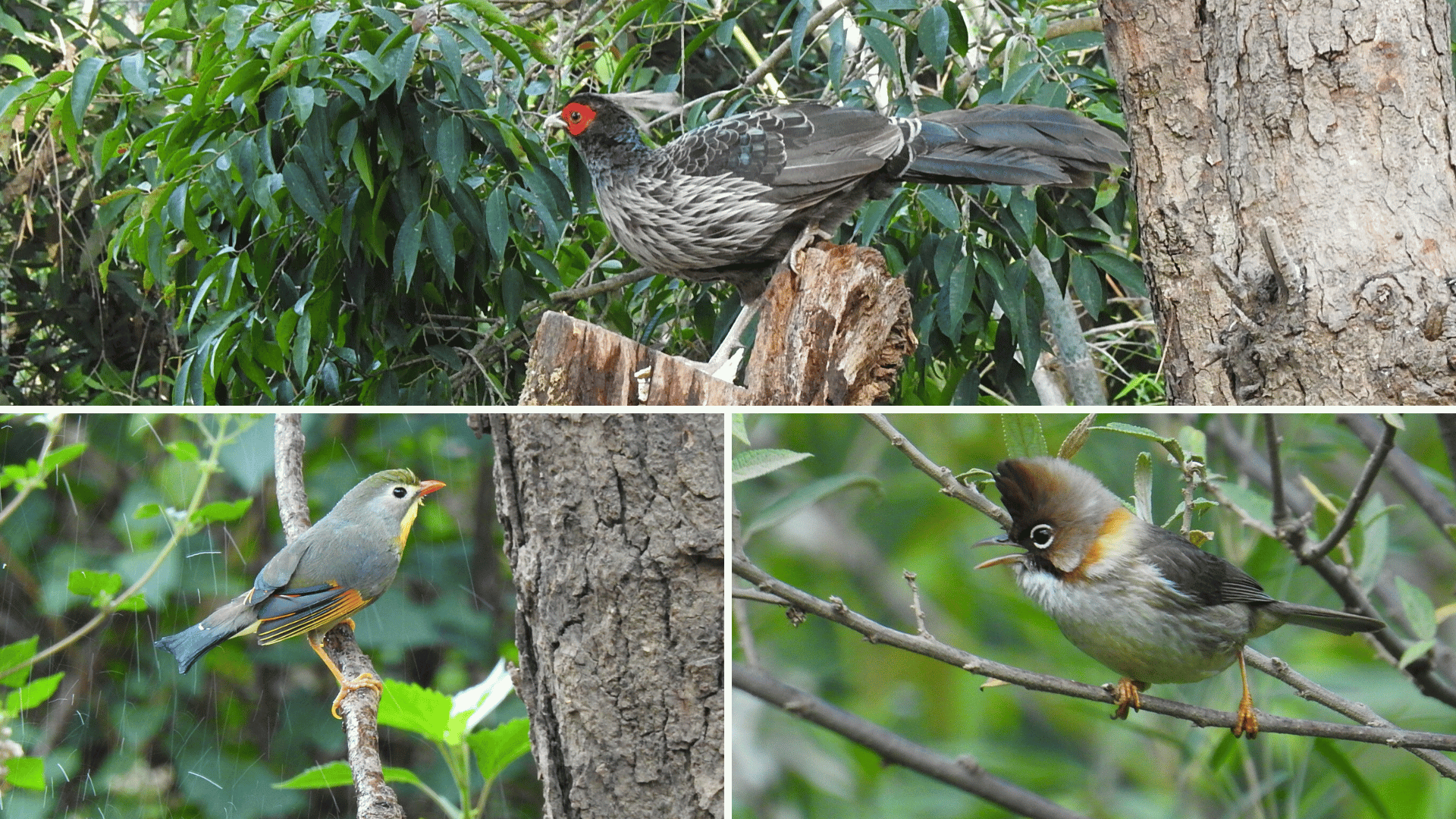
After breakfast and checkout, we birded in Nainital’s wooded trails, yielding some high-quality sightings including Hill Partridge, Chestnut-crowned Laughingthrush, Whiskered Yuhina, and the striking Kalij Pheasant. Pink-browed Rosefinch and Red-billed Leiothrix have added bonuses.
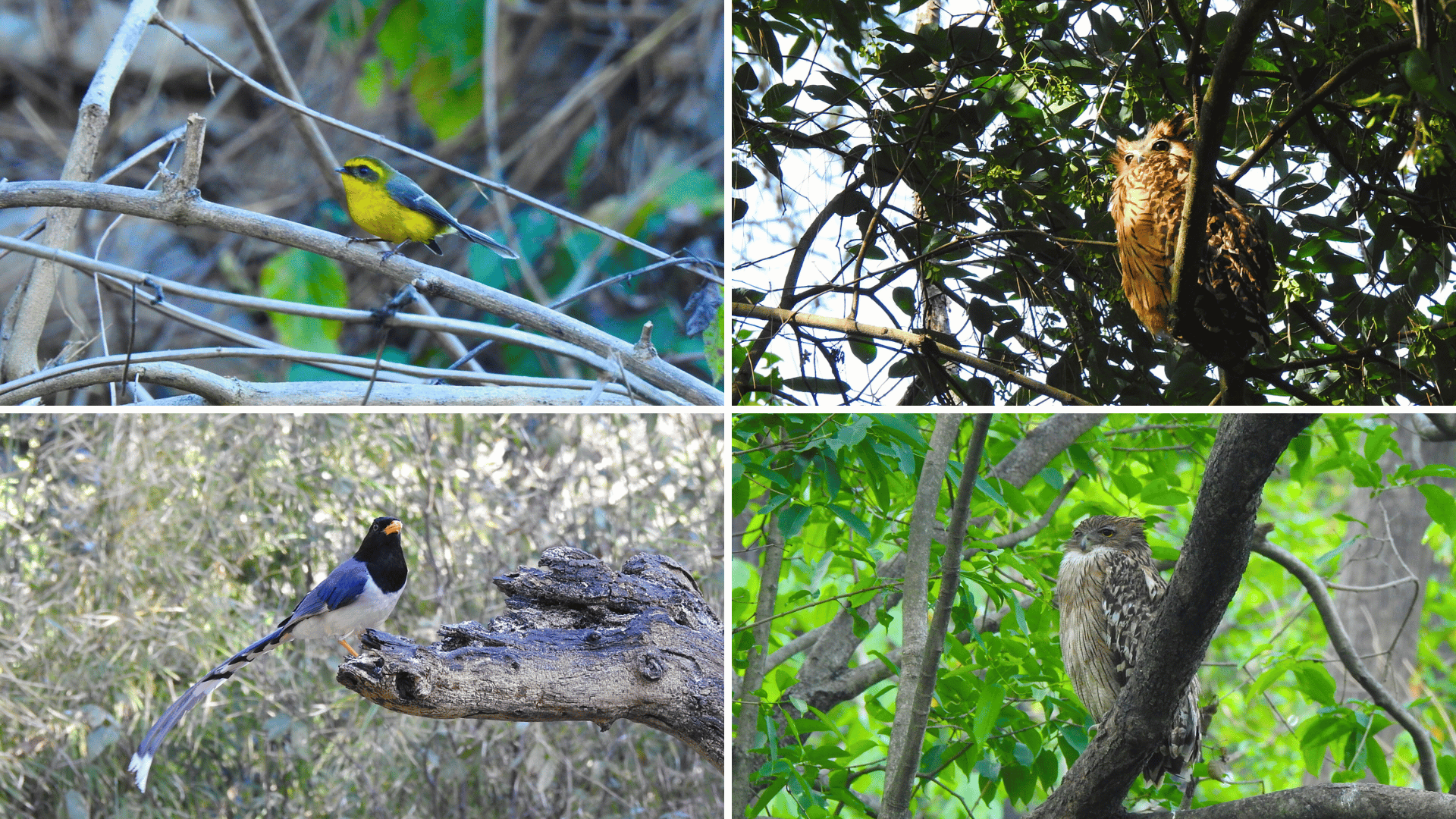
By midday, we drove downhill to Sattal, another famed birding hotspot in the Kumaon region. After a hearty lunch at the lodge, we headed to Chanfi, a forested streamside habitat. Notable species included Tawny Fish Owl, Brown Fish Owl, Crested Kingfisher, Yellow-bellied Fantail, and Red-billed Blue Magpie—a dazzling finale to the day.
Day 5: January 10, 2025 | Sattal Forest Birding
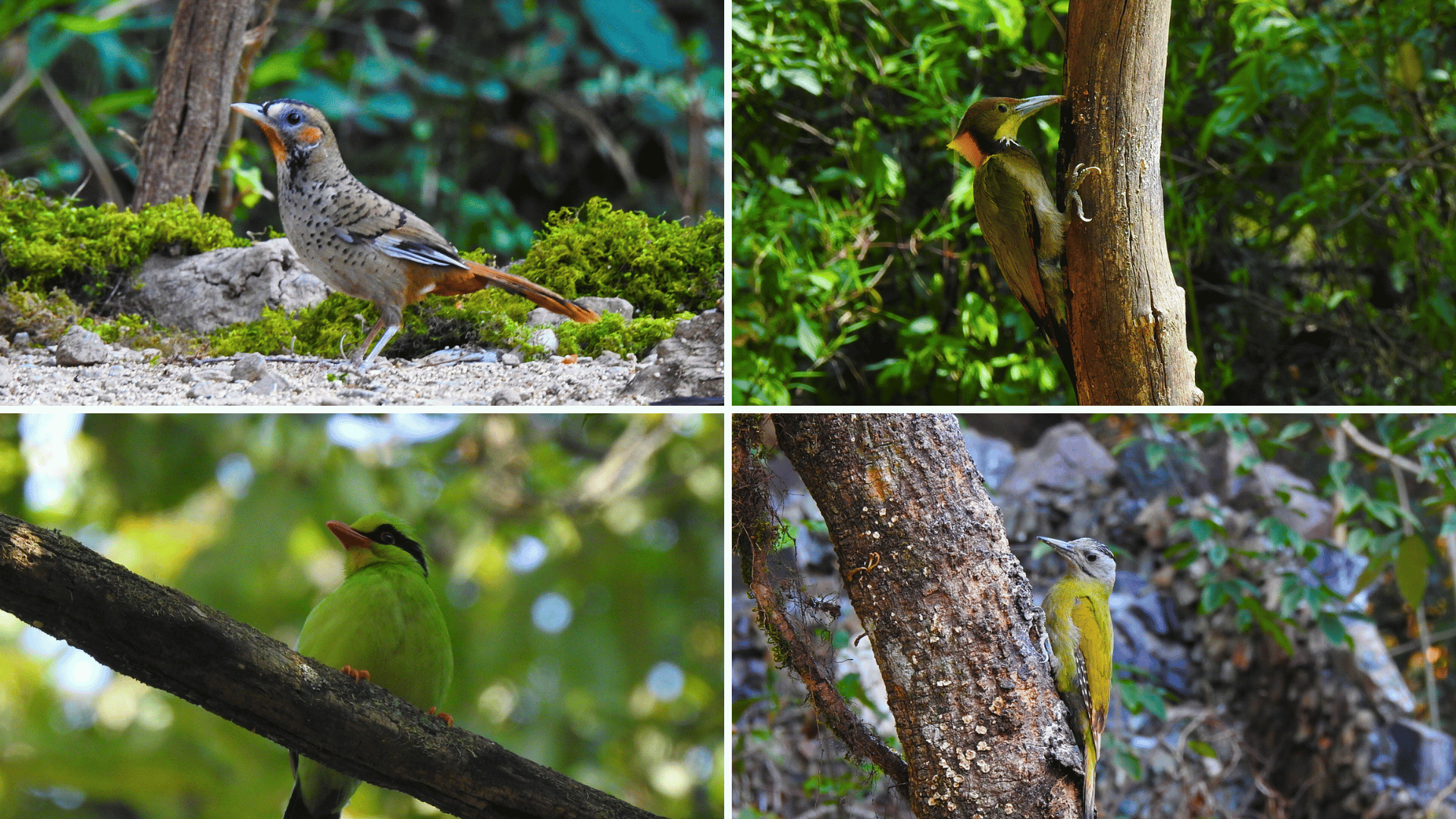
The morning began in a forest bird hide near an ashram. Here, we were treated to close-up views of Rufous-throated Partridge, Common Green Magpie, Greater Yellownape, Grey-headed Woodpecker, Rufous-chinned Laughingthrush, and more.
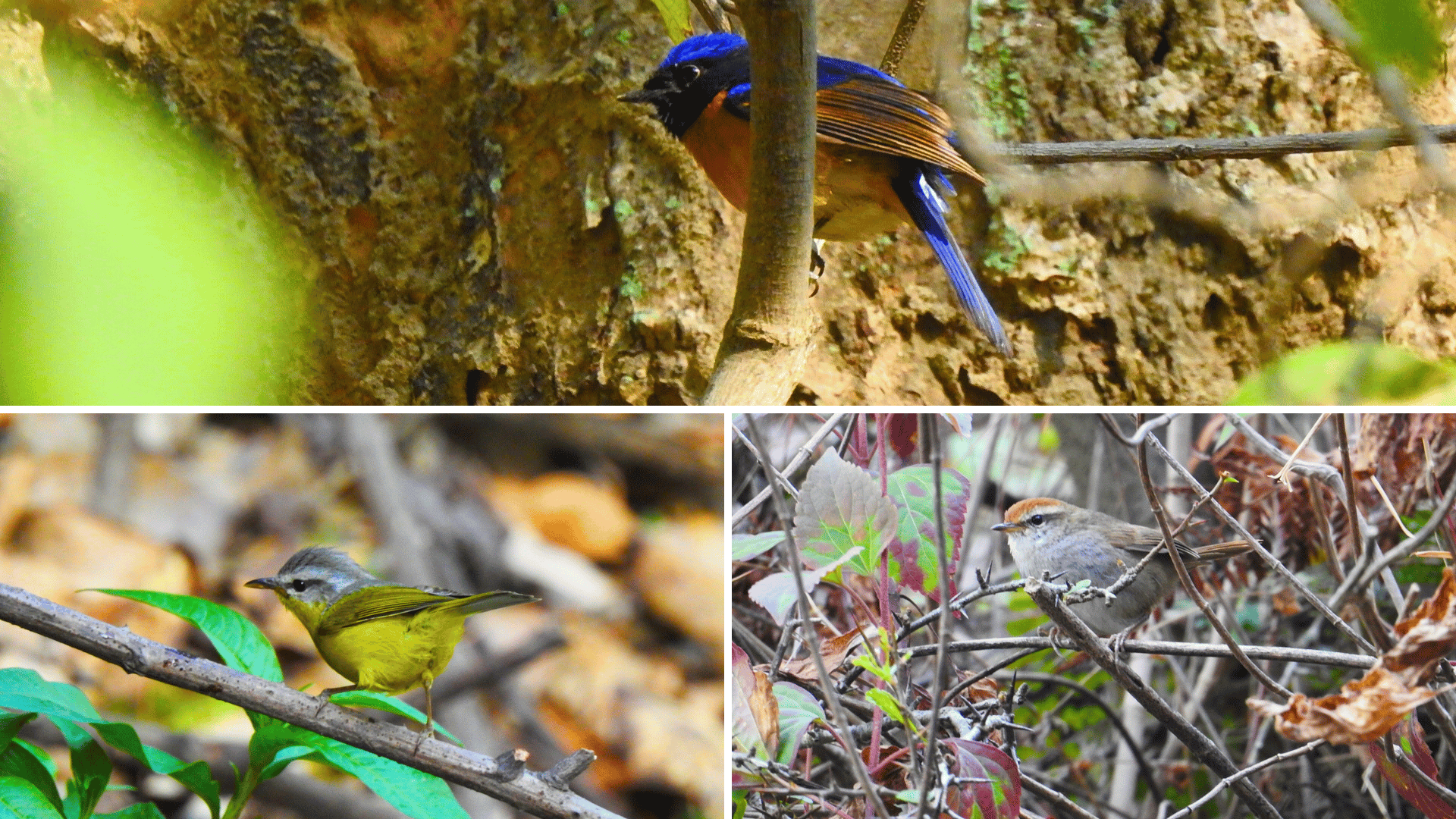
After breakfast, we hiked various forest trails in the Sattal Oak Forest, where we observed Black Bulbul, Grey-hooded Warbler, and Bar-tailed Treecreeper. The post-lunch session was fruitful with species like Velvet-fronted Nuthatch, Golden Bush Robin, Rufous-bellied Niltava, Grey-sided Bush Warbler, and Aberrant Bush Warbler.
Day 6: January 11, 2025 | Sattal to Corbett via Garjiya Temple
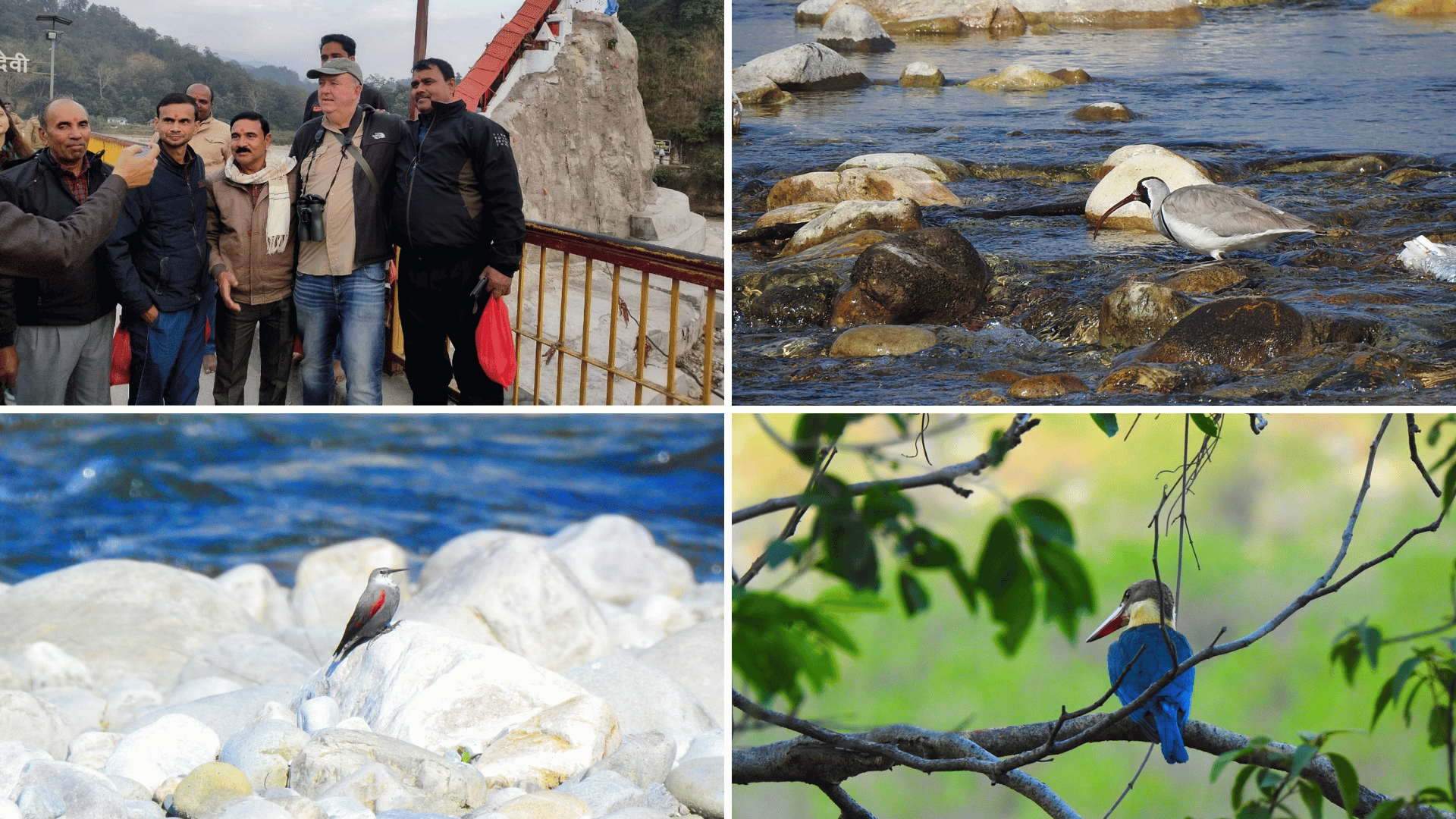
We departed Sattal early in the morning, descending from the hills to the forested foothills of Uttarakhand. By midday, we reached the periphery of Corbett National Park, India’s oldest and most iconic tiger reserve. After checking into our jungle lodge and enjoying a hearty lunch, we visited the Garjiya Temple, a sacred shrine perched atop a large rock in the middle of the Kosi River. The surrounding habitat proved equally sacred for birders, yielding fantastic sightings of Ibisbill, Wallcreeper, White-capped Redstart, Stork-billed Kingfisher, Greater Flameback, and Indian Grey Hornbill: the riverside birding and temple views made for a peaceful introduction to the Corbett landscape.
Days 7–8: January 12–13, 2025 | Jeep Safaris in Corbett National Park
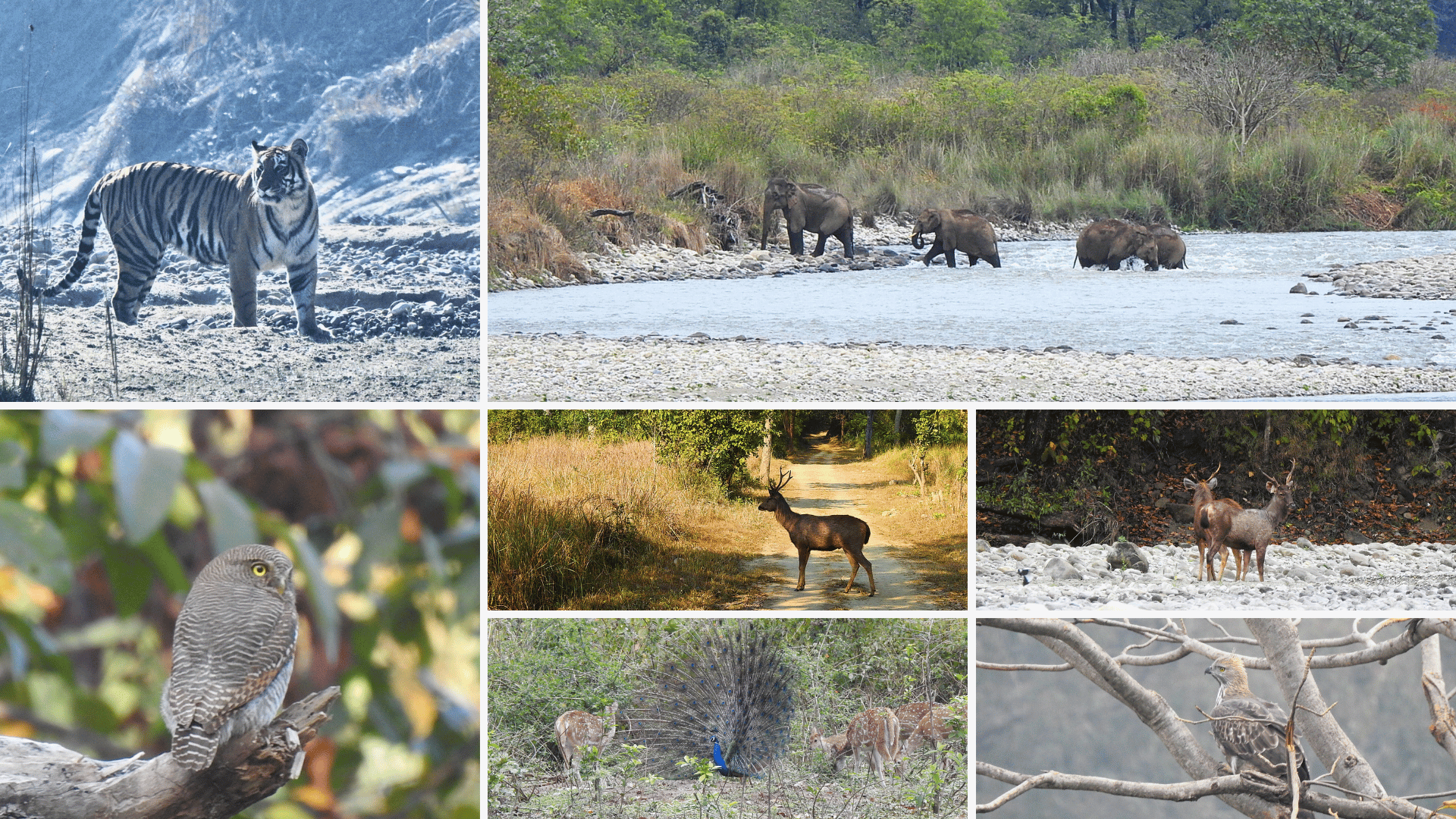
Over two days, we embarked on four thrilling jeep safaris in the zones of Bijrani, Jhirna, and Dhela, all offering distinct terrain and birdlife. The lush sal forests and riverine belts revealed a spectacular array of avian species, including raptors such as the Changeable Hawk-Eagle, Crested Serpent Eagle, and Black-shouldered Kite, frequently seen soaring above the canopy. The understorey and forest floor delivered Blue-bearded Bee-eater, Jungle Owlet, and the charming Common Emerald Dove. The highlight for many was the Tiger sightings, one on each day—one in the dry scrubland of Jhirna and another prowling through the dense foliage of Dhela. Other mammal sightings included Asian Elephant, Wild Boar, Rhesus Macaque, and four species of deer: Chital, Sambar, Hog Deer, and Barking Deer. Between safaris, we also birded around the lodge, adding woodland species and enjoying Corbett's serene atmosphere.
Day 9: January 14, 2025 | Corbett to Agra via Kanwar Route
Following a relaxed morning walk near our lodge and a final scan for forest birds, we departed Corbett for Agra. The journey through Uttar Pradesh was delayed slightly by ongoing Kanwar Yatra processions—devotees walking barefoot or in elaborately decorated vehicles. Despite this, we reached Agra by late afternoon and headed straight to the Yamuna River to witness the Taj Mahal at sunset. This unique perspective allowed us to view not only the monument bathed in golden light but also spot Indian Spot-billed Duck, Pied Kingfisher, and other riverine species.

Day 10: January 15, 2025 | Taj Mahal and Chambal River Safari
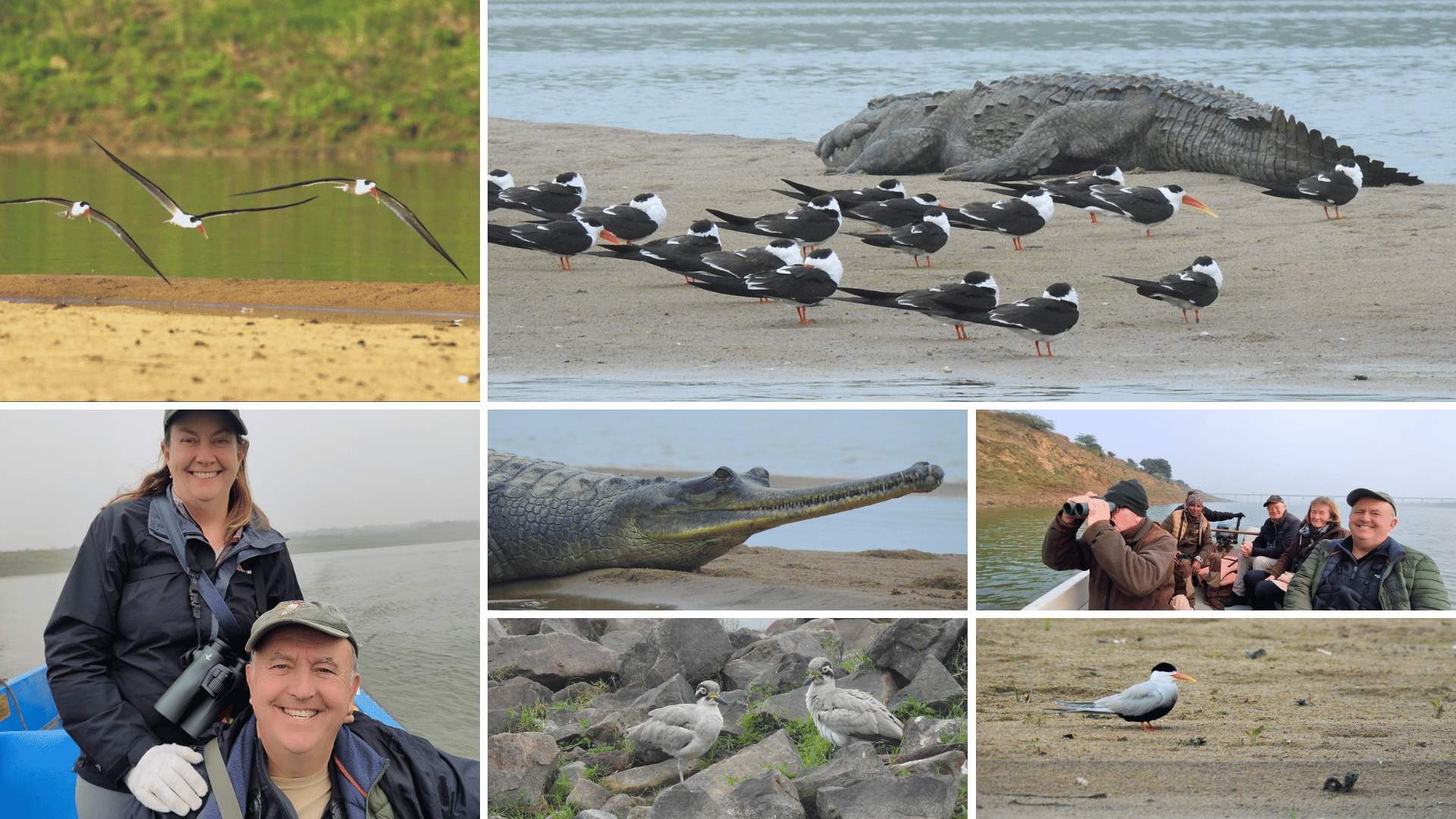
The day began with a sunrise visit to the Taj Mahal, a moving experience even for seasoned travelers. After a guided tour and breakfast, we proceeded to the Chambal River Sanctuary, a hidden gem known for its clean waters and rare wildlife. A two-hour boat safari along the calm river revealed a range of delights: Indian Skimmer, Black-bellied Tern, Great Stone-curlew, Bonelli’s Eagle, and Osprey were among the avian highlights. The river also produced sightings of Gharials and Mugger Crocodiles, as well as the elusive South Asian River Dolphin, seen surfacing briefly in mid-channel.
Day 11: January 16, 2025 | Dholpur Birding and Transfer to Bharatpur
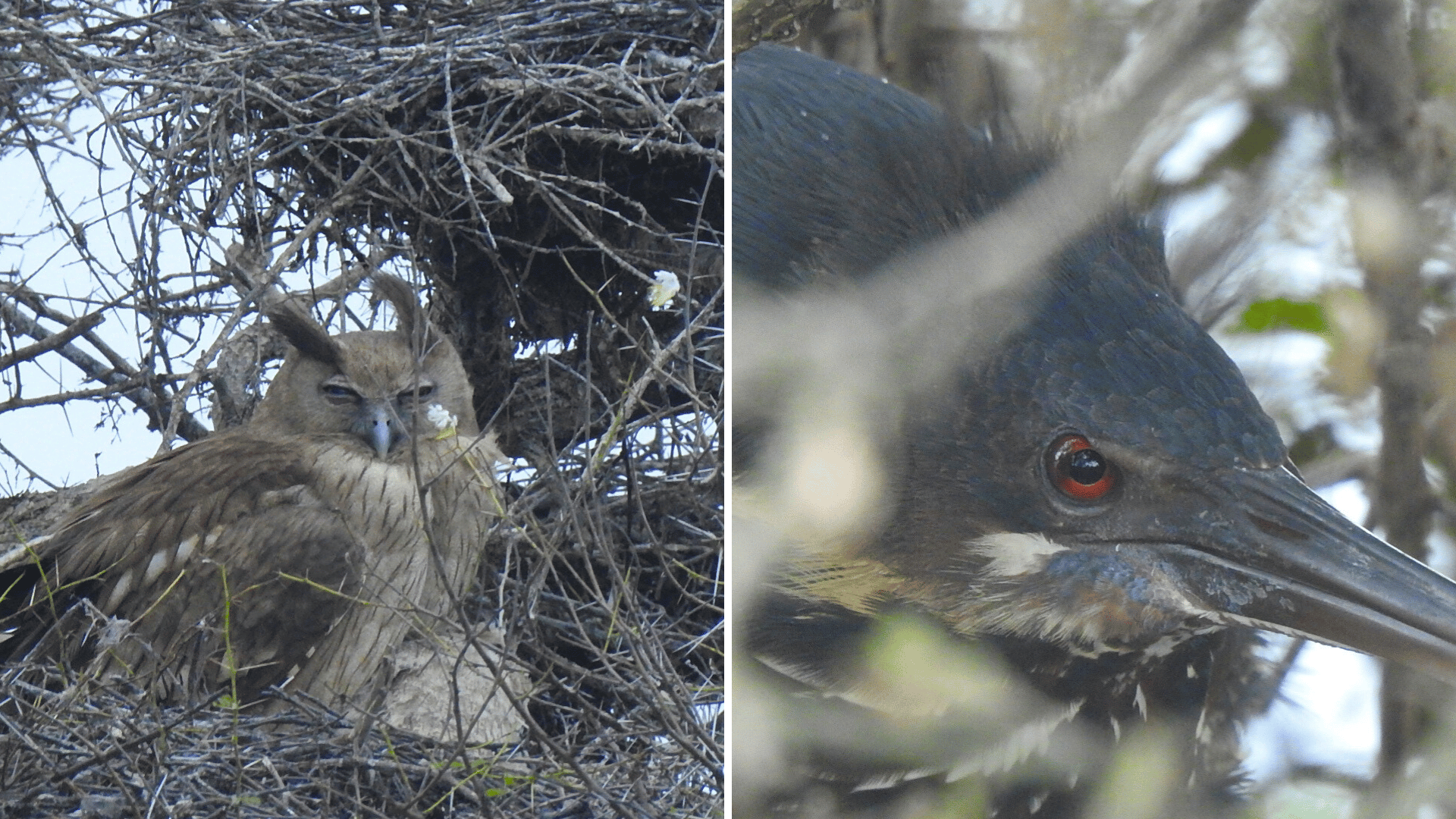
Today, we welcomed a new guest who joined the group, prompting a return to Dholpur for a targeted birding session to help them catch up. We successfully tracked down several specialties, after which we set off for Bharatpur, home to the legendary Keoladeo Ghana National Park. Upon arrival, we checked into our lodge and spent the late afternoon in the park. The short winter day gave us just enough light to locate Dusky Eagle-Owl, Indian Spotted Eagle, Greater Spotted Eagle, and a shy Black Bittern. The sheer density of waterbirds—storks, herons, cormorants, ibises, and ducks—was staggering, even for seasoned birders.
Day 12: January 17, 2025 | Bharatpur to Little Rann of Kutch (LRK)
This was a transition day involving multiple modes of travel. We left Bharatpur early, drove to Jaipur Airport, and boarded a flight to Ahmedabad, Gujarat. Upon arrival, we were met by our local team and continued by road to the Little Rann of Kutch, reaching our remote lodge by nightfall. Despite the long journey, anticipation was high for the new landscapes and desert species that awaited us.

Day 13: January 18, 2025 | Birding in the Little Rann of Kutch
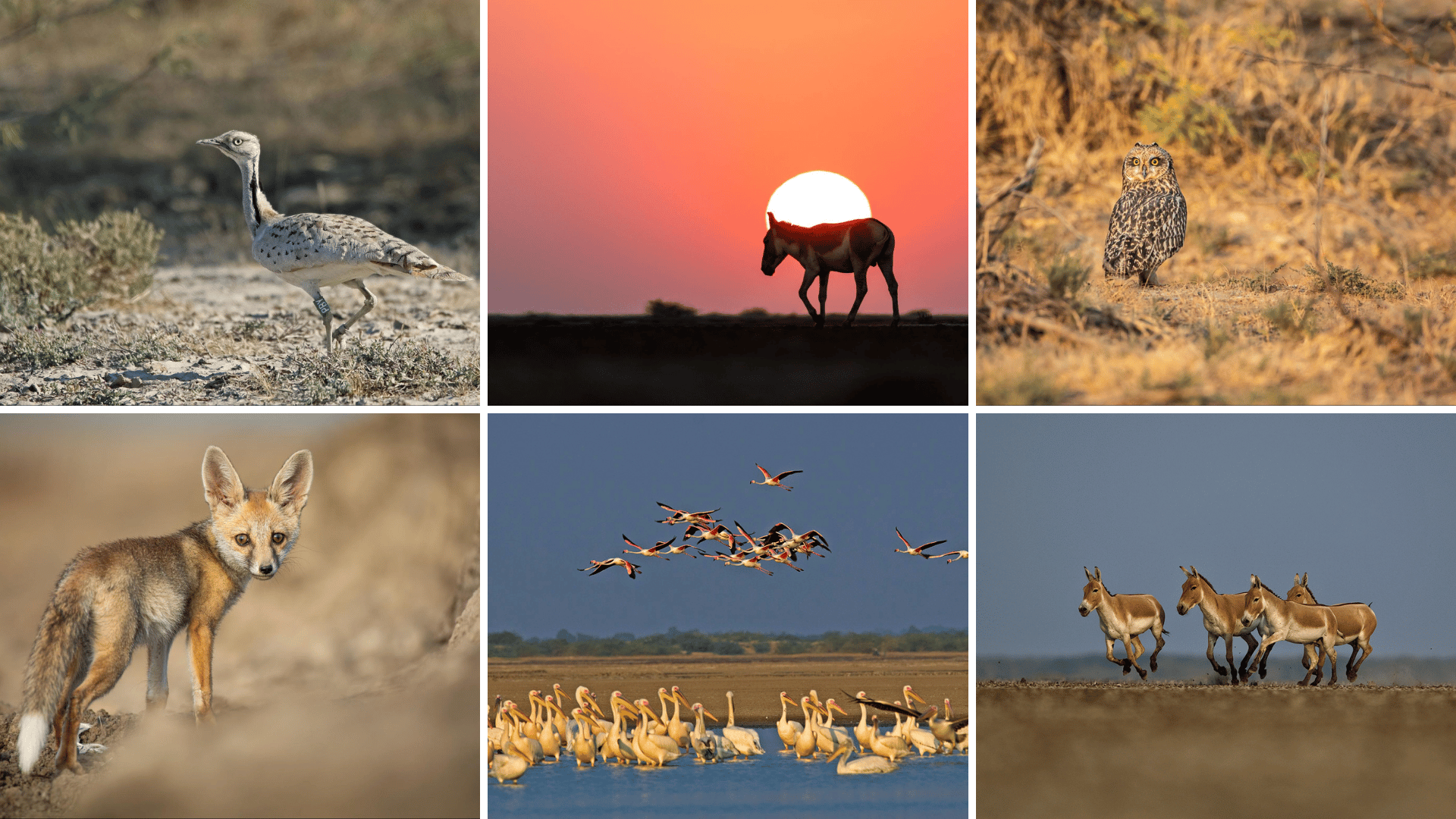
We explored the stark yet stunning terrain of LRK through morning and afternoon safaris, covering both saline desert flats and seasonal wetlands. In the open plains, we successfully located the scarce MacQueen’s Bustard and Short-eared Owl, while the wetlands dazzled with flocks of Greater and Lesser Flamingos, Painted Stork, Pelicans, and Black-winged Stilts. The evening session focused on nocturnal species, and we were rewarded with sightings of Sykes’s Nightjar, Pallid Scops Owl, and Desert Fox, adding excitement to the day's checklist.
Day 14: January 19, 2025 | LRK to Bhuj via Salt Pans
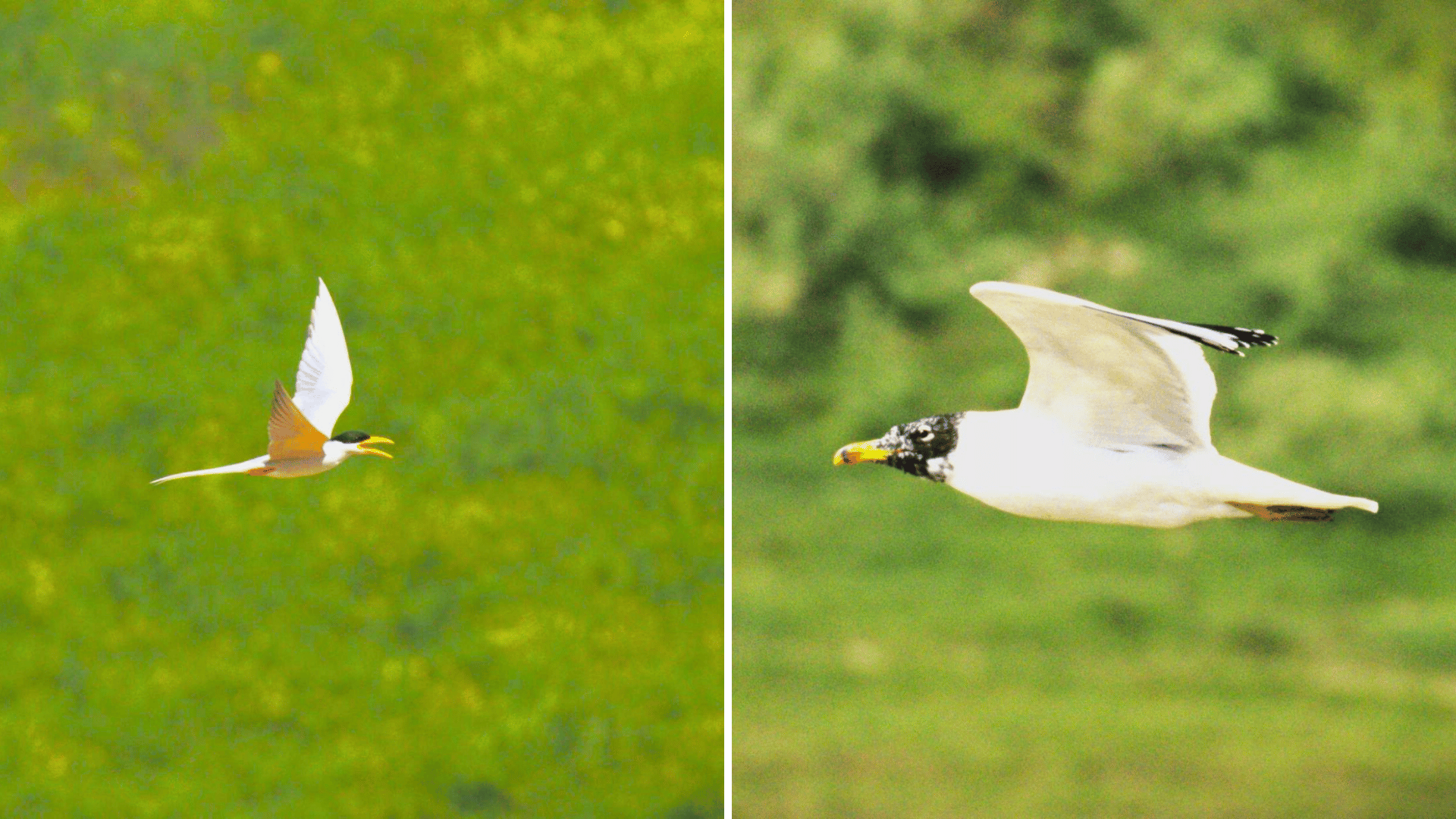
After breakfast, we began our westward journey toward Bhuj. En route, we made several birding stops at salt pans and marshes that are often overlooked by casual travelers but are rich in avian life. Among the many species observed were Western Reef Heron, Brown-headed Gull, several Tern species, and Sand Lark, which proved to be a challenge to spot among the white salt crusts. We arrived in Bhuj by late afternoon and enjoyed some relaxed birding around the lodge before sunset.
Days 15–16: January 20–21, 2025 | Banni Grasslands and Chhari Dhand Wetlands
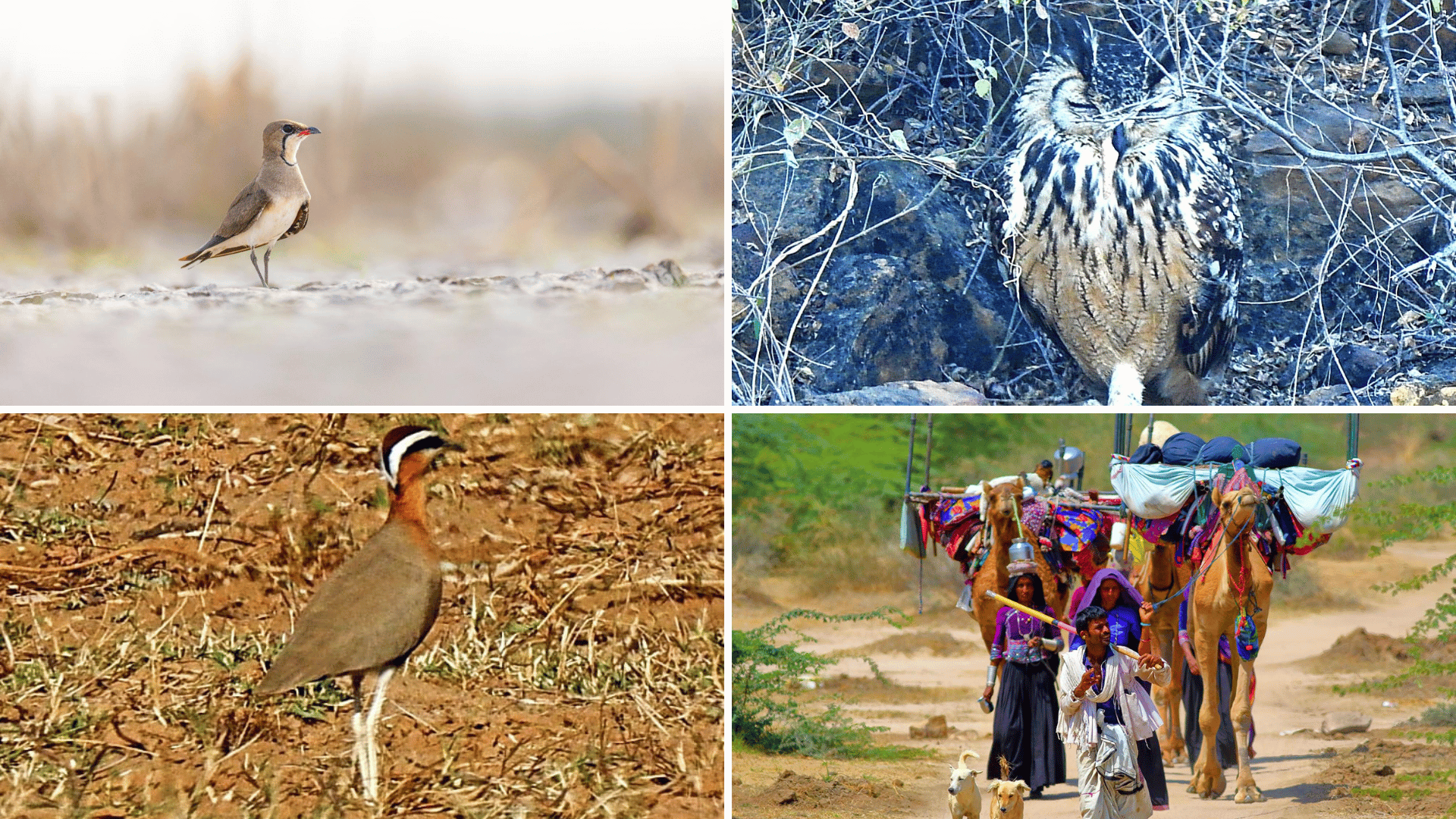
The next two days were devoted to intensive birding in the Banni Grasslands and Chhari Dhand Wetlands, two of India’s most important arid-zone habitats. Day 15 began with a search for target species in the Banni, where we saw Grey Hypocolius, Red-tailed Wheatear, Pale Rockfinch, and Indian Eagle Owl in rocky outcrops. On Day 16, we turned our attention to Chhari Dhand, a vast seasonal wetland, where the water’s edge buzzed with life: Clamorous Reed Warbler, Collared Pratincole, Gulls, Terns, Stints, and a soaring Dalmatian Pelican. Cultural encounters with the Maldhari pastoralists, whose cattle herds and traditional lifestyles remain largely unchanged, added richness to the experience. Evening outings delivered Indian Courser, Indian Nightjar, and a stunning Bluethroat perched in golden light.
Day 17: January 22, 2025 | Bhuj to Jamnagar via Sachana Coastline
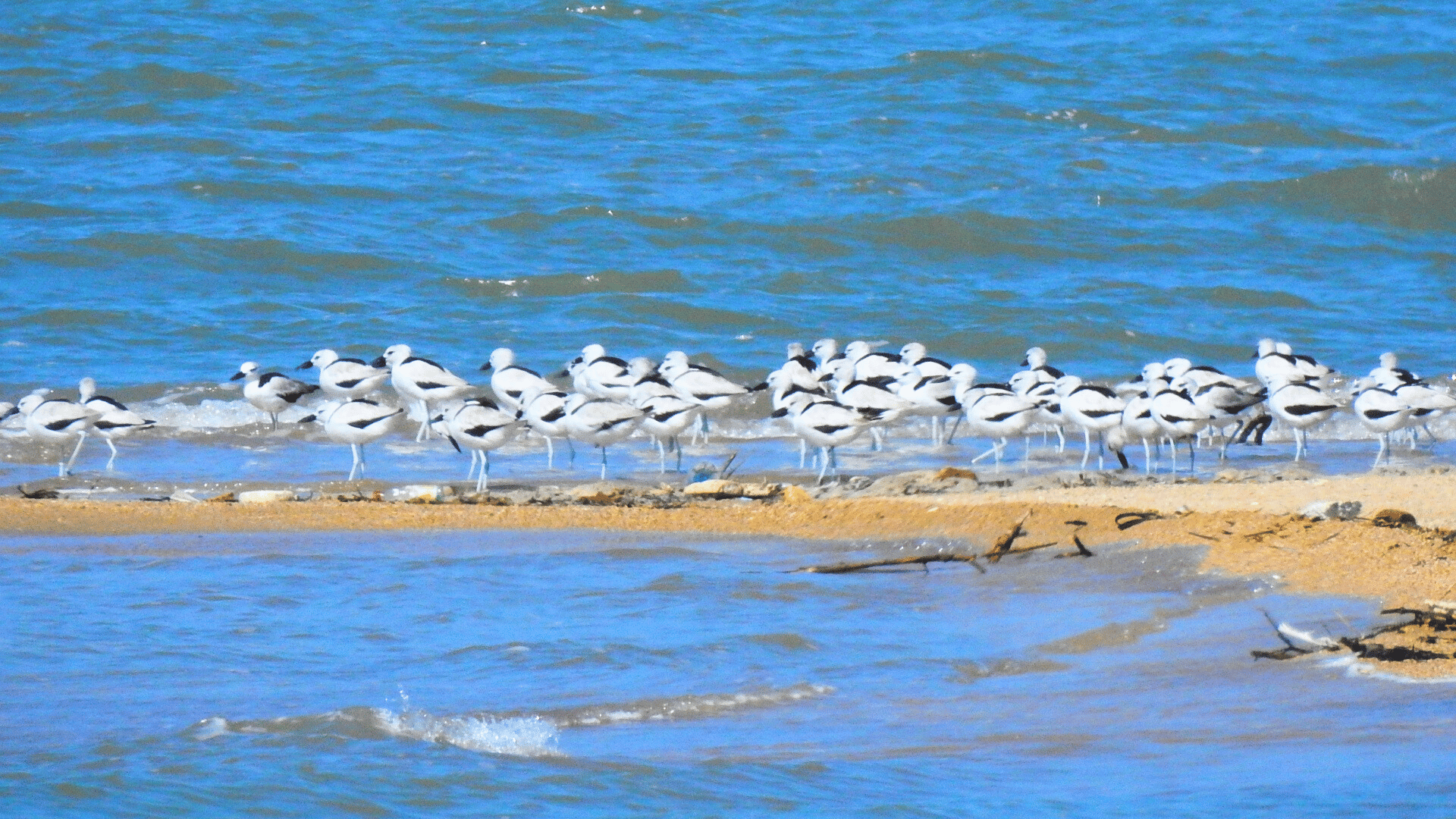
Leaving Bhuj behind, we traveled to Jamnagar, a coastal town famous for its shorebird concentrations. En route, we birded the Sachana coast, where tidal mudflats revealed an incredible array of shorebirds. Among the highlights were Crab-plover, Ruddy Turnstone, Oystercatcher, Greater Sand Plover, Curlew Sandpiper, and large numbers of Brown-headed and Black-headed Gulls, as well as Greater Crested Tern. We reached Jamnagar in the evening, just in time for a delicious Gujarati dinner.
Day 18: January 23, 2025 | Jamnagar to Gir National Park
With most of our coastal targets successfully recorded, we departed Jamnagar for Gir National Park, the last major wilderness on our itinerary. En route, a particularly memorable sighting occurred near a dry riverbed—22 Indian Stone-curlews resting in a camouflaged huddle. The group reached Gir in the afternoon and chose to rest and prepare for the upcoming safaris.
Days 19–20: January 24–25, 2025 | Wildlife Safaris in Gir National Park
Our final wildlife destination brought us to the renowned Gir National Park, the only place on Earth where the majestic Asiatic Lion still roams free. Over two days, we undertook four exhilarating game drives, each offering a distinct window into the dry deciduous wilderness of Gujarat.
The very first safari proved auspicious, delivering a close-range sighting of a solitary female lion, calmly surveying her territory from beneath an Acacia tree. That afternoon, the excitement soared when we encountered a leopard reclining on a sunlit rocky outcrop—an encounter made all the more special due to its rarity in this terrain. On the second morning, the forest came alive with movement and calls, and our patience was rewarded as we watched a lion pride, including two playful cubs, emerge from the thickets and cross a grassland clearing in regal procession. These sightings were unforgettable high points in a tour already rich with iconic moments.
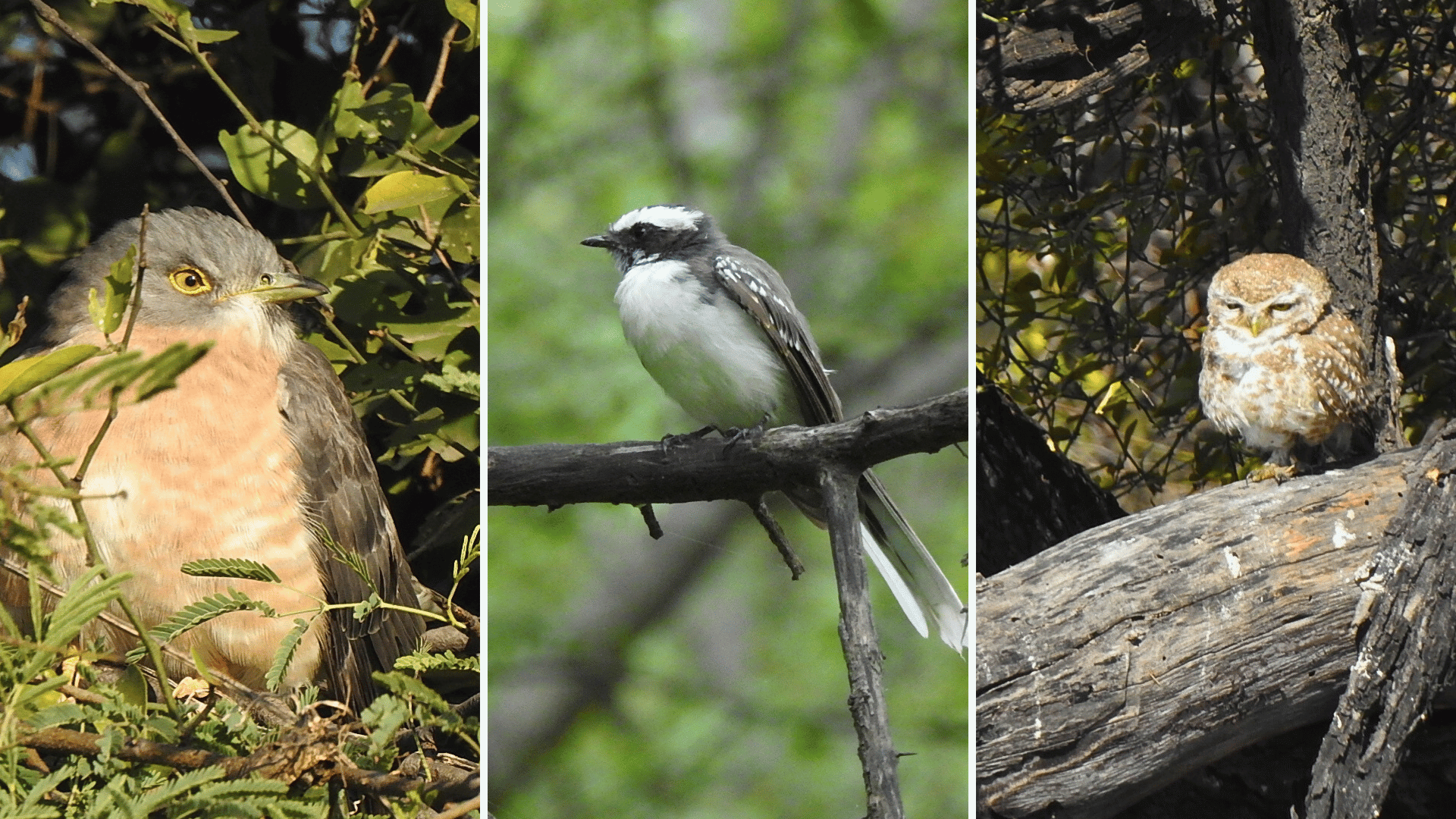
Gir is not only about big cats. Throughout our drives, the birdlife was equally captivating. The forest resounded with calls of White-browed Fantail, Tickell’s Blue Flycatcher, Small Minivet, Indian Paradise Flycatcher, and Jungle Babbler, while crested trees occasionally revealed Shikra, Brown-capped Pygmy Woodpecker, and Spotted Owlet.
Our base for these adventures was the charming and strategically located Gir Birding Lodge, a property owned and operated by Asian Adventures. Nestled right on the edge of Gir National Park, the lodge shares a boundary wall with the protected forest, allowing for a truly immersive jungle experience. Surrounded by a lush mango orchard and native vegetation, the lodge not only offers easy access to safari zones but also provides a peaceful retreat between game drives. Guests enjoyed birding right from the lodge’s private hide, where species such as Green Bee-eater, Indian Golden Oriole, and Black-rumped Flameback made regular appearances. Morning tea in the garden was often accompanied by the rhythmic call of the Coppersmith Barbet, while evenings were spent recalling sightings over delicious regional meals prepared with local ingredients.
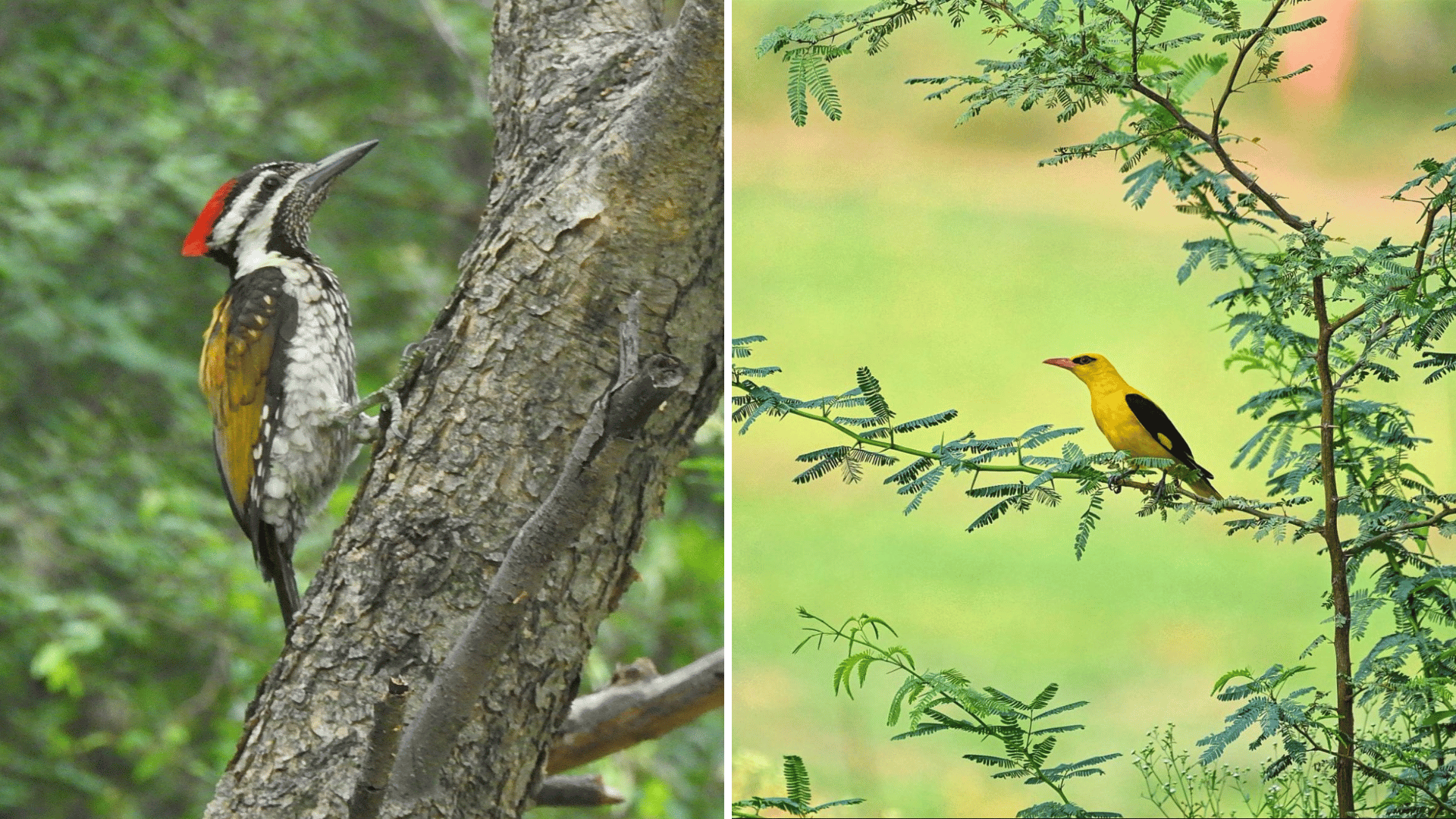
The Gir Birding Lodge proved to be more than just a place to stay—it was a continuation of the wildlife experience itself, and a fitting sanctuary to close the field-based portion of our remarkable journey through India’s natural wonders.
Day 21: January 26, 2025 | Gir to Rajkot – Return to Delhi
Our final morning was spent savoring a slow breakfast and reflecting on the highlights of the past three weeks. We then made the drive to Rajkot Airport for our flight back to Delhi, marking the end of a truly remarkable birding expedition. The group parted ways with over 450 bird species recorded, along with unforgettable memories of tigers, lions, dolphins, owls, and the breathtaking diversity of India’s landscapes.
End of Tour Report